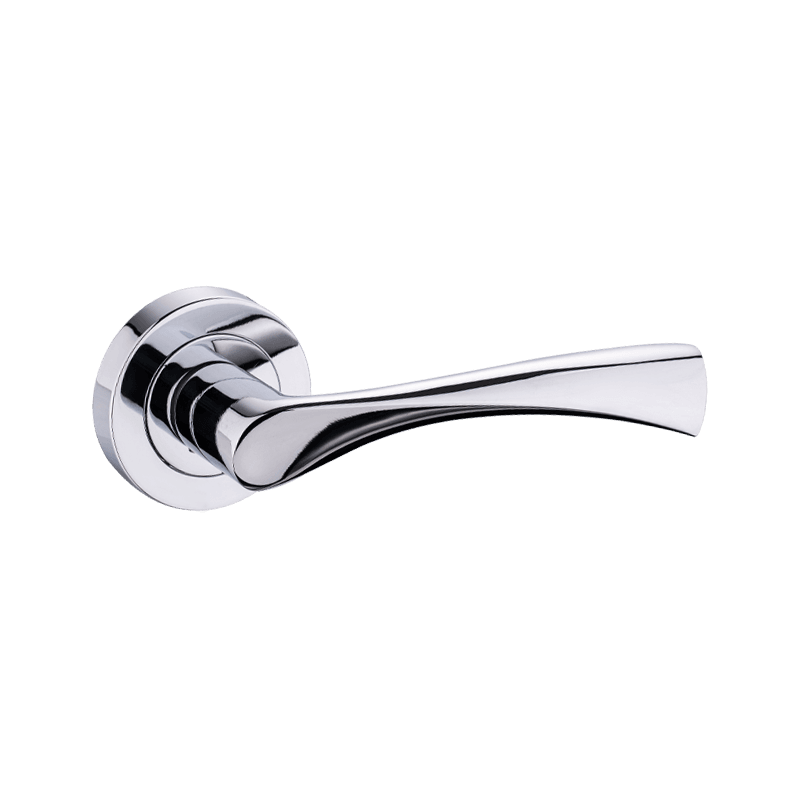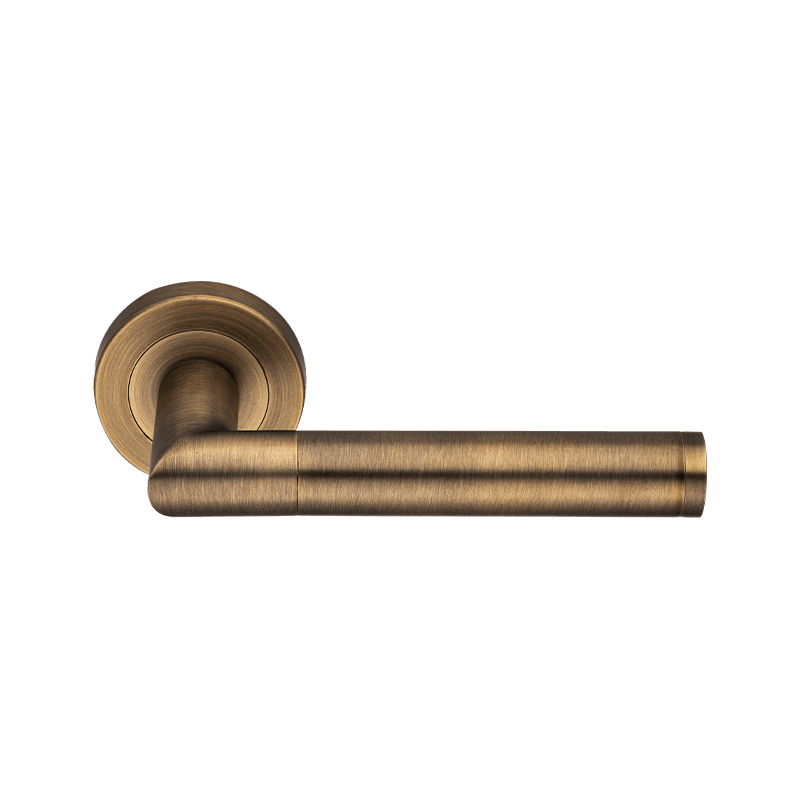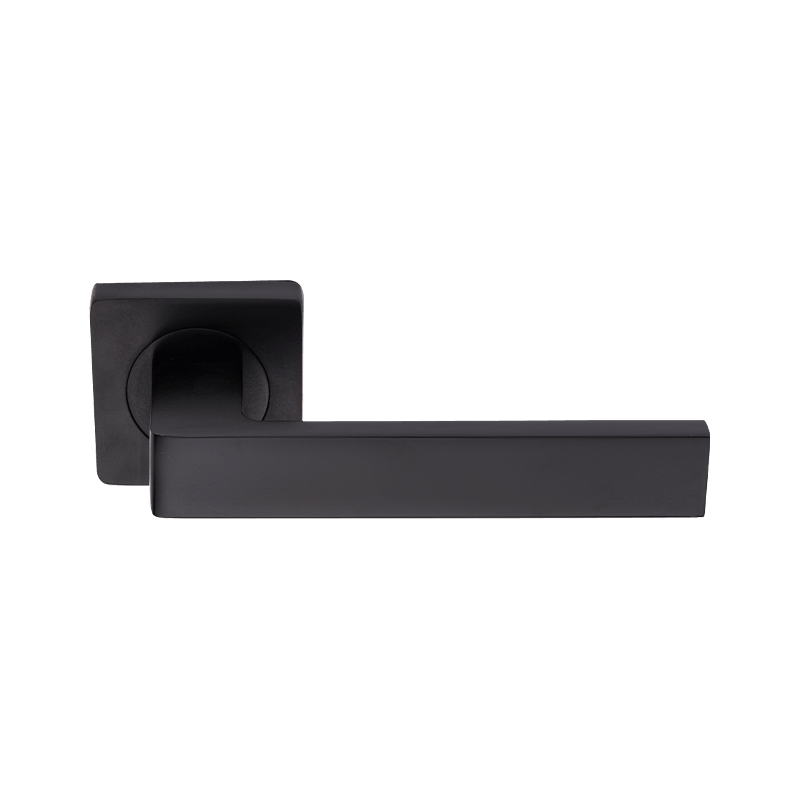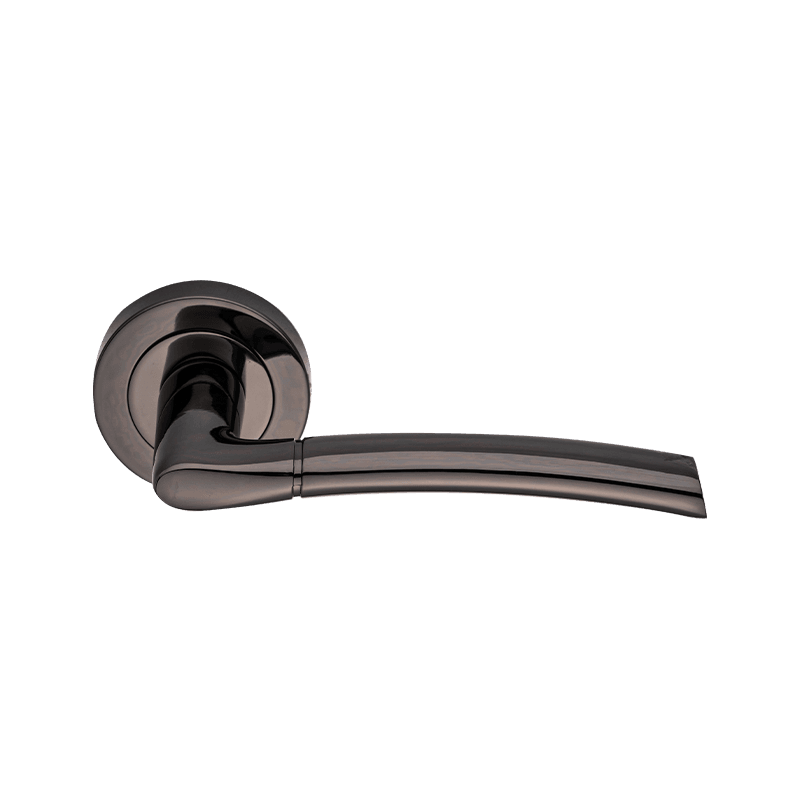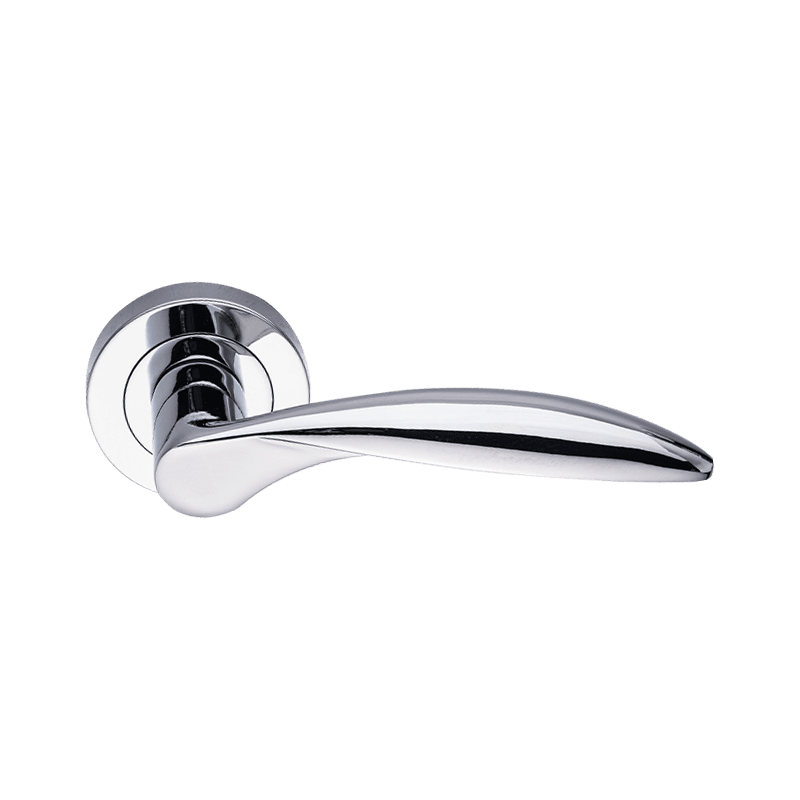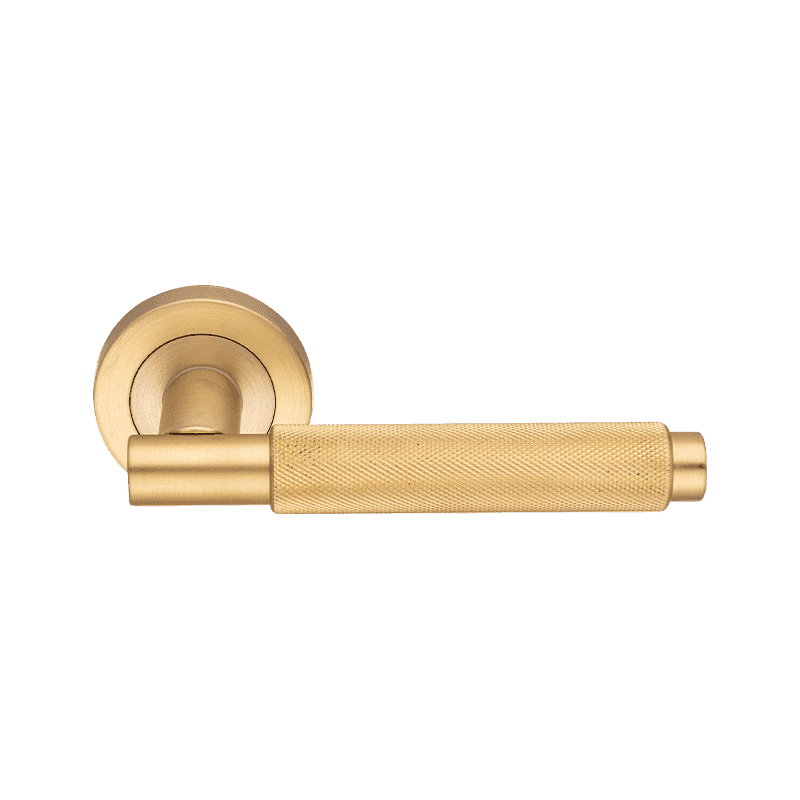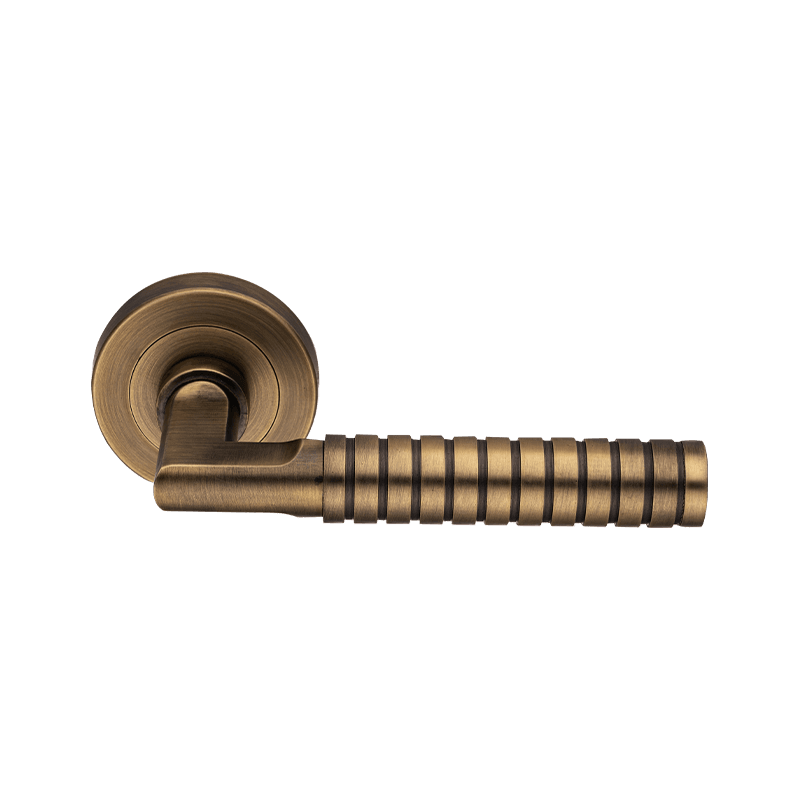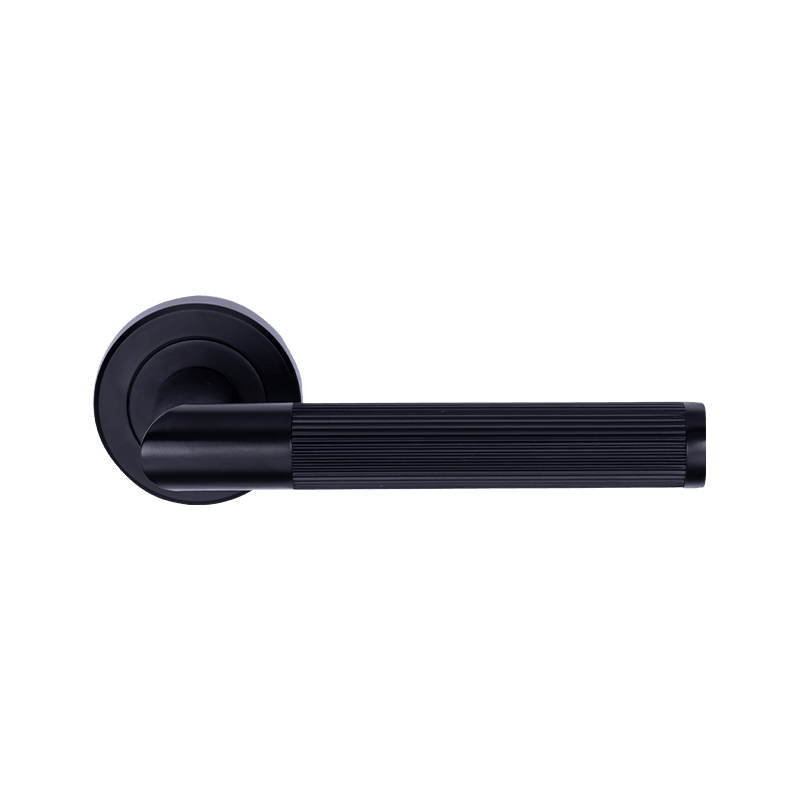
Een deurklinkset is geen enkel stuk hardware; het is een samenstel van op elkaar afgestemde onderdelen: de hendel of knop, de rozet of achterplaat, de spil, het grendelmechanisme en de bevestigingsschroeven. Het kennen van de naam en functie van elk onderdeel is de eerste stap bij het diagnosticeren van een losse of plakkerige handgreep, het bestellen van de juiste vervanging en het kiezen van een nieuwe set die bij uw deur past.
De meeste defecten aan de deurklink zijn eerder mechanisch dan cosmetisch. Een handvat dat sponsachtig aanvoelt of niet terugkeert, wijst meestal op een versleten veer of een gestripte spindel, en niet op een kapotte buitengreep. Deze gids identificeert elk zichtbaar en verborgen onderdeel, legt uit hoe deze onderdelen samenwerken en geeft praktische selectiecriteria voor zowel vervangende onderdelen als complete handgreepsets.
1. Kernonderdelen van de deurkruk en hun functies
Elke deurklink, of het nu een hendel of een knop is, werkt met dezelfde basiscomponenten: de bedieningsgreep, een montagebasis, een spindel, een grendel of slotlichaam en de schroeven die ze bij elkaar houden. Als u deze vijf groepen begrijpt, kunt u eenvoudig problemen beschrijven en het juiste artikel bestellen.
| Deel | Functie | Typisch materiaal | Aankoop Opmerking |
|---|---|---|---|
| Hendel of knop | Biedt grip en draait de as om de grendel in te trekken | Zinklegering, aluminium, roestvrij staal | Kies voor toegankelijkheid, stijl en handkracht |
| Rozet of achterplaat | Verbergt het geboorde gat en ondersteunt de handgreepbasis | Zinklegering, aluminium | Ronde rozet voor standaardgaten; achterplaat bedekt oudere gaten |
| Spindel | Brengt de rotatie over van de handgreep naar het vergrendelingsmechanisme | Staal, meestal verzinkt | Controleer de vierkante maat (7 mm of 8 mm) en lengte |
| Vergrendeling of slotlichaam | Houdt de deur gesloten en biedt vergrendelingsfunctie indien gemonteerd | Staal met beschermende beplating | Zorg ervoor dat de doornmaat, de frontplaatgrootte en het spiltype overeenkomen |
| Bevestigingsschroeven | Bevestig de rozet, plaat en handgreep aan de deur | Staal | Gebruik de juiste draad en lengte om strippen te voorkomen |
De dagschoot is het bewegende deel dat de sluitplaat in het deurkozijn aangrijpt. Wanneer u een compleet krukset vervangt, moet de dagschoot overeenkomen met de stiftmaat en de doornmaat van de deur; een veel voorkomende optie is a buisvormige insteekgrendel met doornmaat 45 mm of 57 mm .
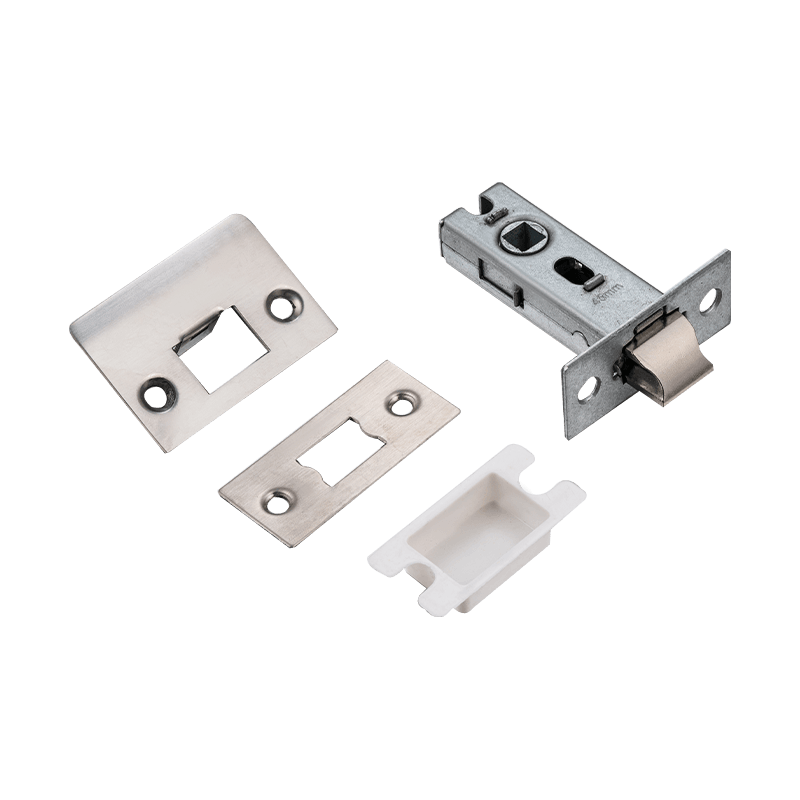 Aangepaste buisvormige insteekgrendel 2,5 "bout door (45 mm of 57 mm doornmaat) leverancier, Xiangshan Victor Hardware Co., Ltd is China buisvormige insteekgrendel 2.5 Bekijk Product →
 2. Deurkrukken versus deurknoppen: belangrijkste verschillen
Kies voor een deurkruk voor eenvoudiger bediening en een eigentijds profiel; kies voor een deurknop voor een traditionele, compacte uitstraling. Hendels worden in openbare gebouwen meestal gespecificeerd omdat ze met een elleboog of onderarm kunnen worden bediend, terwijl knoppen vaker voorkomen in klassieke wooninterieurs.
Hefbomen hebben een horizontale vorm die de bedieningskracht over de hele hand verspreidt, waardoor de inspanning die nodig is om een stijve grendel in te trekken wordt verminderd. Knoppen hebben een kleinere draaicirkel, wat problematisch kan zijn voor kinderen, ouderen of mensen met artritis. Beide typen kunnen op een rozet of achterplaat worden gemonteerd, en beide kunnen worden gecombineerd met dezelfde dagschoot- en slotlichamen.
Als u aan het renoveren bent en een vertrouwd woongevoel wilt, a geveerde koepeldeurknop in matzwart biedt een klassiek silhouet met de interne veerretour die een hangende knop voorkomt. Voor een modernere afwerking en bredere grip, onze deurklinken collectie toont verschillende montagestijlen.
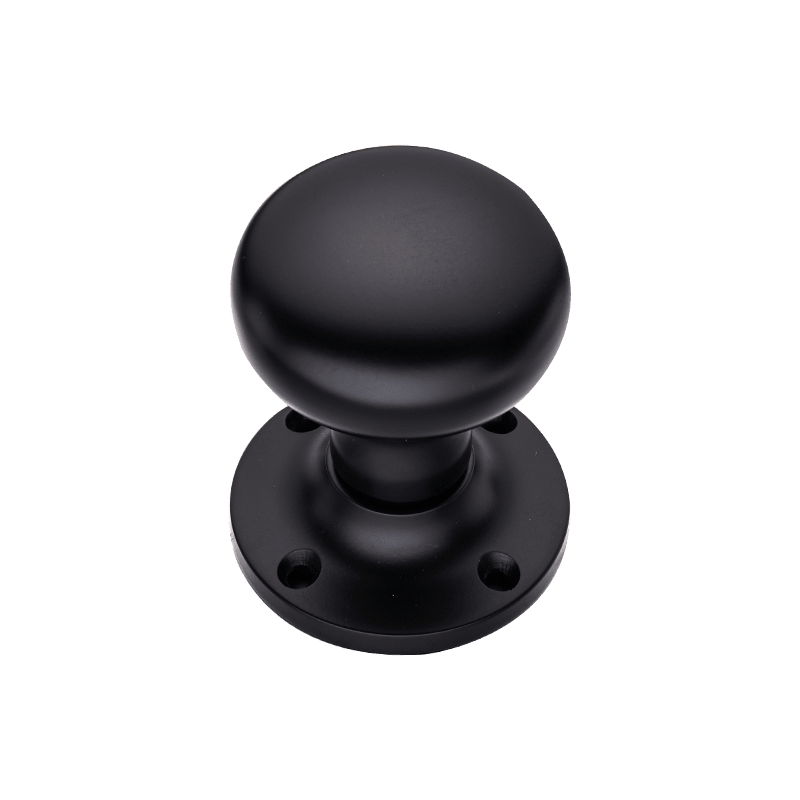 Aangepaste Orion geveerde insteekkoepelvormige deurknop matzwarte leverancier, bedrijf - - Xi Xiangshan Victor Hardware Co., Ltd is China Orion Sprung Mortice Domed Door Knob Matte Black leverancier en op maat gemaakte Orion Sprung Mortice Dom ... Bekijk Product →
 3. Roos versus achterplaat: montagestijlen en implicaties voor reparaties
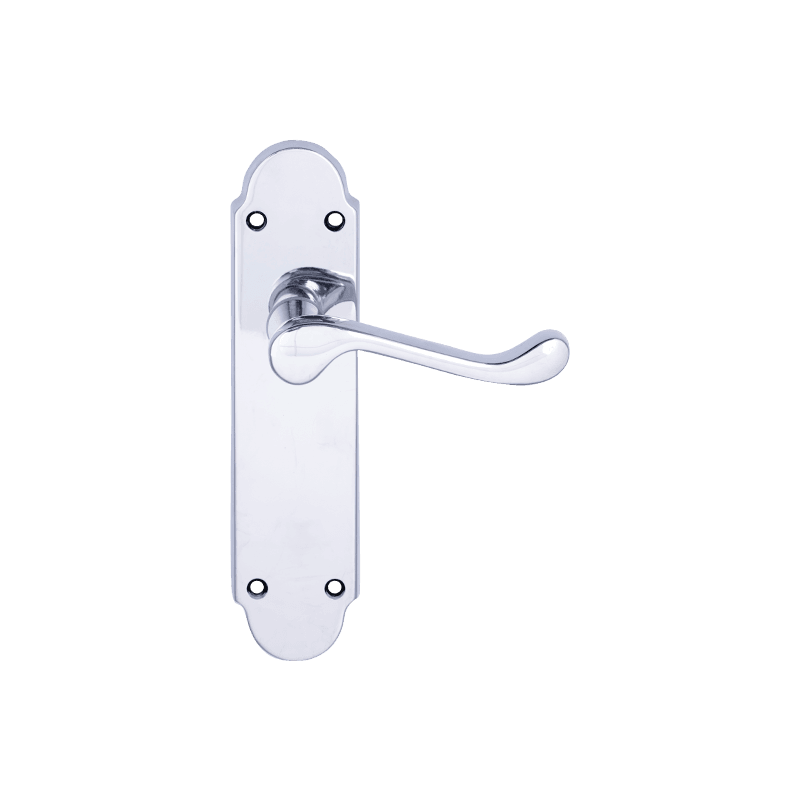
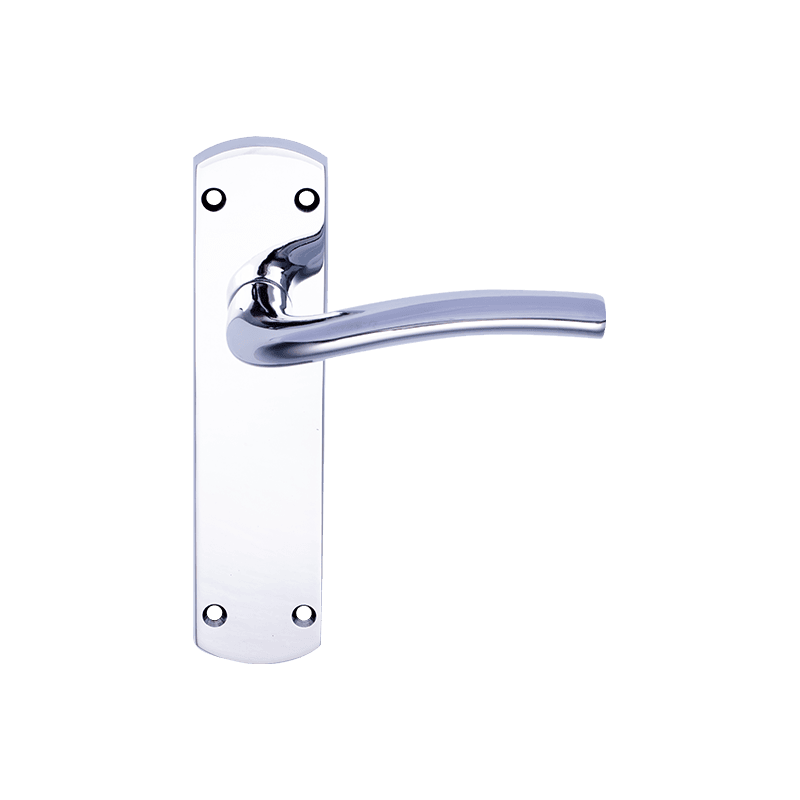
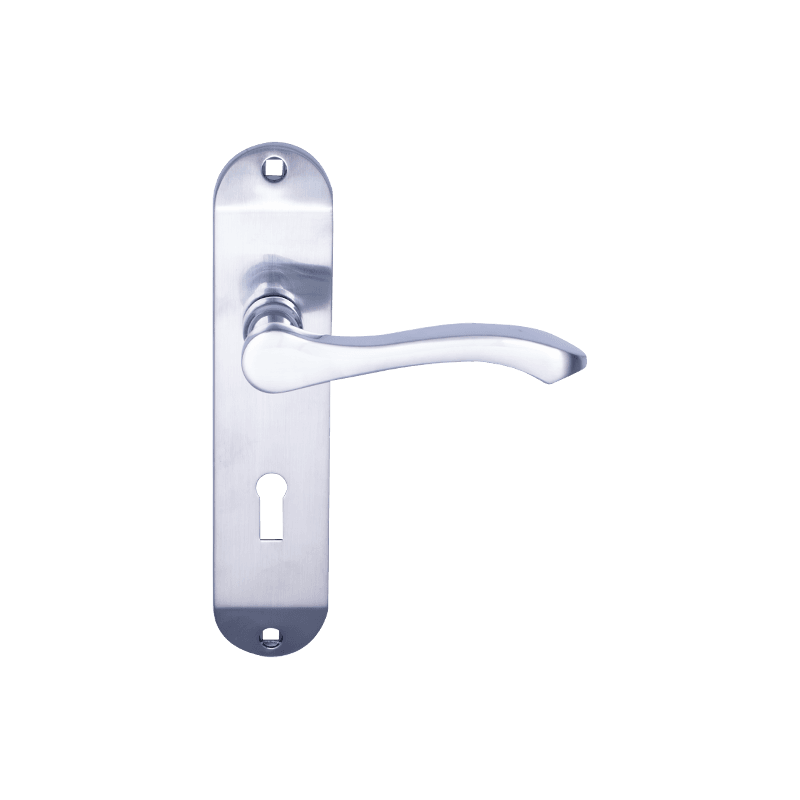
Een rozet is een ronde schijf die alleen het bevestigingsgat van de handgreep bedekt, terwijl een achterplaat een verticale plaat is die de handgreepgaten en vaak de slotcilinderopening bedekt. Een roos heeft meestal een diameter van 54 mm tot 55 mm; een achterplaat is doorgaans 150 mm tot 250 mm lang en draagt zowel het handvat als het sleutelgat.
Rozen zijn eenvoudiger te installeren omdat de gatpositie minder kritisch is; achterplaten zijn beter voor renovatie omdat ze oude of onregelmatige gaten kunnen verbergen. Wat het onderhoud betreft, verdeelt een achterplaat het koppel over een langer oppervlak, waardoor het doorzakken van de hendel na verloop van tijd wordt verminderd. Een rozet vereist een zeer zuivere bevestiging en een stevige spindelpassing, anders kan de hendel losraken.
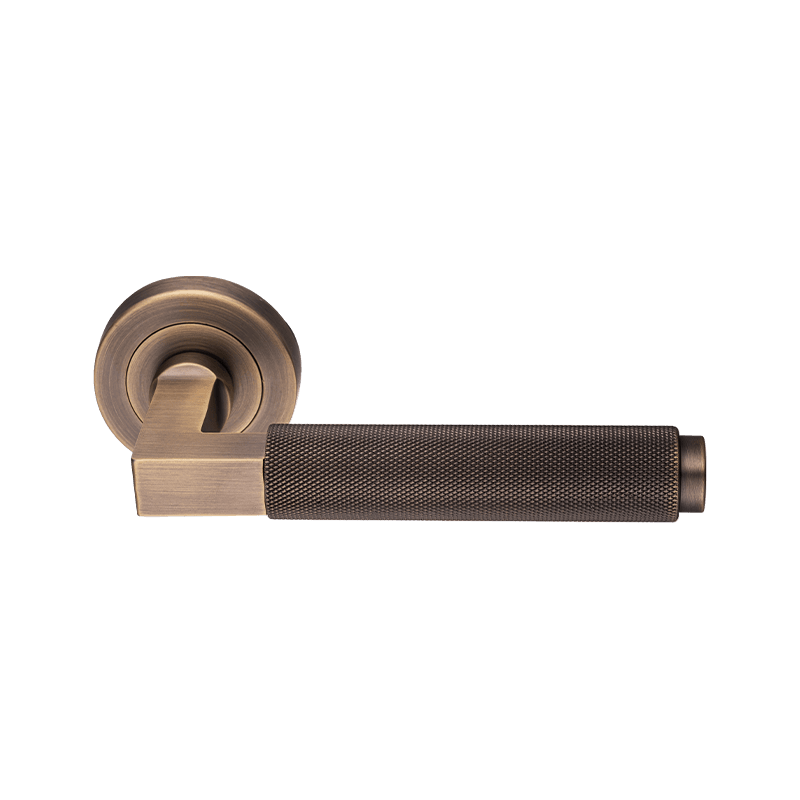
Voor moderne deuren met strakke lijnen is a Tastbare gekartelde hendel van gesatineerd messing op rozethandgreep zorgt voor een antislip grip en een minimalistische uitstraling.
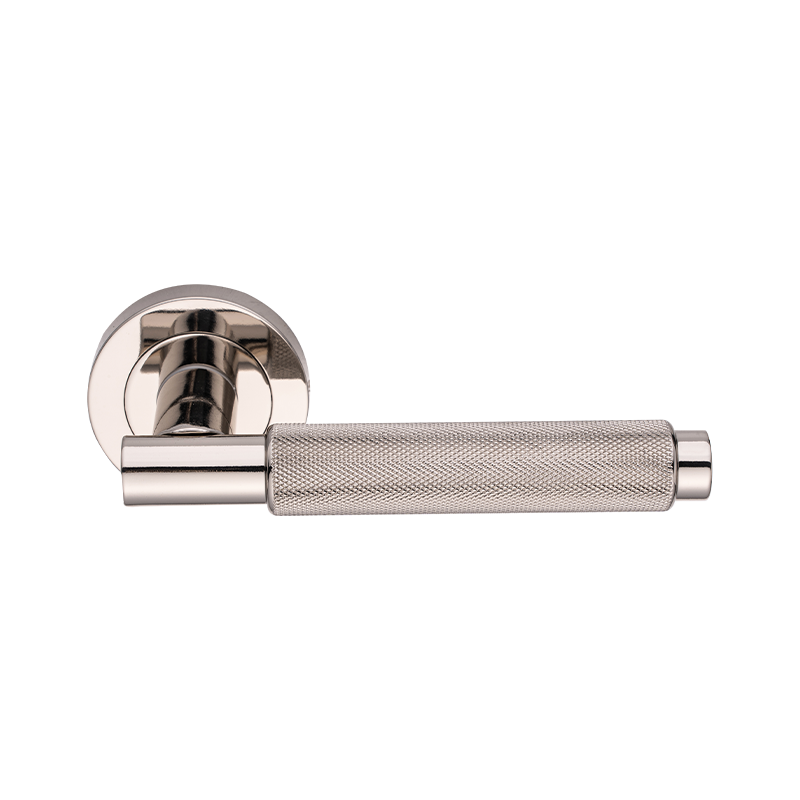 Aangepaste aluminium tactiele gekartelde textuurhendel op roze deurkruk satijn messing S Xiangshan Victor Hardware Co., Ltd is China aluminium tactiele gekartelde textuurhendel op roze deurkruk satijn messing leverancier en op maat... Bekijk Product →
 4. Materialen en afwerkingen van onderdelen van de deurkruk
Zinklegering, aluminium en roestvrij staal zijn de drie standaardmaterialen in hardware voor residentiële en commerciële deuren; elk biedt een ander evenwicht tussen sterkte, gewicht, corrosieweerstand en kosten.
- Zinklegering: sterk genoeg voor de meeste binnen- en buitendeuren, gemakkelijk in decoratieve vormen te gieten en zuinig in productie. Gebruik een poeder- of vergulde afwerking om het in vochtige ruimtes te beschermen.
- Aluminium: lichtgewicht en natuurlijk corrosiebestendig; vaak gebruikt voor moderne minimalistische handgrepen en deurgrepen. Geanodiseerd of gelakt aluminium is bestand tegen krassen en vervaging.
- Roestvrij staal: het beste voor kustgebieden, keukens en openbare toiletten, omdat het niet roest of putjes vertoont. Het is zwaarder en duurder, maar extreem duurzaam.
De oppervlakteafwerking heeft zowel invloed op het uiterlijk als op het onderhoud. Gepolijst chroom is reflecterend en gemakkelijk schoon te maken; geborsteld nikkel verbergt vingerafdrukken; matzwart is een veel voorkomende keuze in hedendaagse interieurs; antiek messing geeft een warm, klassiek karakter. Kies een afwerking die past bij de deurstijl en uw schoonmaakroutine. Controleer bij privacy- of veiligheidsdeuren ook of ze overeenkomen deurslot lichamen omdat de rozet of plaat in één lijn moet liggen met de slotcilinder.
5. Tekenen dat onderdelen van de deurgreep versleten zijn
Als een deurklink los aanvoelt, naar beneden valt, blijft hangen of na gebruik niet meer in de horizontale positie terugkeert, zijn een of meer interne componenten versleten. Vroegtijdige aandacht voorkomt verdere schade aan de deurrand en de grendel.
- Losse grip: de spindel is gestript of de draadstift is zijn draad kwijt. Draai eerst vast; Als het probleem blijft bestaan, vervang dan de spil.
- Hendel of knop zakt door: de terugstelveer of het interne lager zijn vermoeid. Een verende handgreep moet horizontaal blijven wanneer deze wordt losgelaten.
- Stijf draaien: de veer van de grendel is zwak, de spil is verbogen of het slotmechanisme heeft smering nodig.
- Rammelende of plaatbeweging: de bevestigingsschroeven zitten niet goed vast, of de rozet/achterplaat zit niet tegen de deur.
Het negeren van deze signalen kan ertoe leiden dat de hendel op een lastig moment losraakt, of dat het interne mechanisme vastloopt in de vergrendelde positie. Het vervangen van het versleten onderdeel is meestal goedkoop als u het correct identificeert.
6. Vervangende deurhandgreeponderdelen selecteren
Om de juiste deurklinkonderdelen te bestellen, heeft u drie afmetingen nodig: de asmaat, de doornmaat van de dagschoot en de gatdiameter. Deze cijfers zorgen ervoor dat de nieuwe handgreep kan worden gemonteerd zonder extra boren.
- Verwijder de bestaande handgreep en meet de spilbreedte (vierkante doorsnede) met een liniaal; de standaard maten zijn 7 mm en 8 mm.
- Meet de doornmaat van de grendel vanaf de rand van de deur tot het midden van het spilgat. Gemeenschappelijke waarden zijn 45 mm, 57 mm en 60 mm.
- Meet de diameter van het deurgat als u een rozet gebruikt, of de afstand tussen de bevestigingspunten als u een achterplaat gebruikt.
- Controleer de deurdikte; de meeste handgreepbevestigingen accepteren 35 mm tot 45 mm, maar veerbelaste spindels hebben een tolerantiebereik vermeld door de fabrikant.
Materiaal en afwerking moeten worden gekozen op basis van de locatie van de deur: roestvrij staal voor externe en natte ruimtes, zinklegering voor algemeen gebruik binnenshuis en aluminium voor lichtgewicht brandwerende deuren waarbij het gewicht een probleem is. Als de kruk wordt gebruikt met een insteekslot, controleer dan of de spil goed vastklikt en of het slothuis compatibel is.
7. Veelgestelde vragen over deurklinkonderdelen
De meest voorkomende vragen over deurklinkonderdelen hebben betrekking op de asafmetingen, de compatibiliteit van de doornmaat en de duurzaamheid van het materiaal; de onderstaande antwoorden bieden snelle, praktische richtlijnen.
Wat is de spil op een deurklink?
De spil is een vierkante metalen staaf die de hendel met de grendel verbindt; door aan de kruk te draaien, draait deze stang en wordt de dagschieter teruggetrokken.
Kan ik alleen de rozet of achterplaat vervangen?
Ja, als de nieuwe rozet of schild dezelfde bevestigingspunten heeft en voldoende ruimte voor de spindel en slotcilinder. Neem de exacte afmetingen op voordat u bestelt.
Hoe weet ik of een klink op mijn deur past?
Controleer de gatdiameter, de doornmaat en de deurdikte. De meeste standaard binnendeuren gebruiken een gat van 54 mm of 55 mm en een doornmaat van 45 mm of 57 mm.
Wat is het verschil tussen een badkamerknop en een privacyslot?
Een badkamerknop is de kleine hendel aan de binnenplaat die de deur vergrendelt door op een knop te drukken of aan een kleine knop te draaien; een privacyslotlichaam bevat de grendel en het interne ontgrendelingsmechanisme. De knop bedient het slotlichaam, dus ze moeten op elkaar afgestemd zijn.
Welk materiaal is het beste voor onderdelen van de buitendeurgrepen?
Roestvrij staal of zinklegering met een hoogwaardige beschermende afwerking is het beste voor buitendeuren, omdat het beter bestand is tegen regen, UV en temperatuurwisselingen dan ruw aluminium of onbehandeld staal.